
Table of Contents
- Why Affiliate Marketing on Facebook is Important in 2026
- The Best Niches for Facebook Affiliate Marketing
- How to Get Started with Affiliate Marketing on Facebook
- Introduction to Paid Facebook Ads for Affiliate Marketing
- The Importance of Paid Advertising on Facebook for Affiliate Marketing
- Conclusion

Author
Robert Demeter
Content Marketing Manager


Most Popular
Affiliate Marketing on Facebook in 2026: The Ultimate Guide
January 23, 2026
11 Min. Read

Facebook affiliate marketing is the practice of promoting third-party products or services on Facebook—through organic content, Groups, Reels, or paid ads—and earning a commission on each resulting sale or lead.
Even in 2026, Facebook remains the world's largest social network and one of the most effective channels for affiliate marketers to reach high-intent, purchase-ready audiences.
In this guide, we'll explore why Facebook still dominates affiliate marketing in 2026, which niches perform best, how to build an organic presence from scratch, and how to run paid Facebook ad campaigns that convert—without violating platform policy.
Why Affiliate Marketing on Facebook is Important in 2026
Facebook's scale is still unmatched. As of 2025, the platform has 3.07 billion monthly active users—nearly 40% of the global internet population—and 2.11 billion daily active users. More than 200 million businesses use Facebook tools, and roughly 40% of users report discovering new products on the platform, making it as much a product-discovery engine as a social network.
For affiliate marketers, the opportunity lies in two compounding advantages: reach and precision. Facebook's targeting system lets affiliates reach audiences by demographics, interests, behaviors, and past engagement—down to remarketing users who already visited a product page. No other platform combines that level of audience specificity with a user base of this size.
Facebook's 2026 algorithm—internally referred to as Andromeda—has shifted from passive metric ranking to real-time, signal-driven optimization. It now prioritizes content that generates genuine engagement (comments, shares) and actively rewards short-form video. According to Sprout Social's 2026 data, nearly half of Facebook users say short-form video (Reels) is the content type they interact with most.
Facebook referral traffic has also rebounded sharply in 2026, with some publishers reporting a 4x increase compared to 2025—a meaningful tailwind for affiliates who drive traffic to external content.
This makes Facebook's analytics and advertising tools more valuable than ever: affiliates can track engagement quality, optimize for conversion probability, and adjust campaigns in real time. When used correctly, these tools don't just increase reach—they build the kind of audience trust that turns followers into buyers.
The Best Niches for Facebook Affiliate Marketing

Selecting the right niche is crucial for the success of your affiliate marketing business on Facebook. In 2026, the most profitable niches combine high consumer demand, strong commission structures, and audiences that are actively present—and purchase-ready—on Facebook.
Health and Wellness remains the dominant niche, backed by a global market projected to reach $8.5 trillion by 2026. It thrives on Facebook because the platform's demographic sweet spot—adults aged 25–44—overlaps almost perfectly with health-conscious consumers. Sub-niches, like mental health tools, longevity supplements, and personalized nutrition, drive high engagement and strong conversion rates.
Personal Finance and Fintech is consistently the highest-paying vertical, with commission rates ranging from $50 to $500+ per sale for products like credit cards, investment platforms, and budgeting apps. U.S. affiliate marketing spending in this space alone is projected to grow from $13.2 billion in 2026 to $15.8 billion by 2028.
AI Tools and SaaS is the fastest-emerging niche of this cycle. With the global AI market projected to reach $407 billion by 2026, SaaS affiliate programs commonly offer 20–50% on recurring monthly commissions—meaning a single conversion pays out indefinitely so long as the customer stays subscribed. Facebook's Millennial core audience—the primary buyers of productivity and business software—makes it an ideal distribution channel.
Personal Development, Home Improvement, and Technology round out the top performers, continuing to dominate due to their broad appeal, high viral potential, and consistent consumer interest across demographics.
These niches are not only profitable due to their broad and highly engaged audiences, but also for their potential for viral content—which can significantly increase affiliate earnings. Effective Facebook affiliate marketing should leverage Facebook's detailed targeting tools to reach specific sub-groups with customized messages and offers. So building up your Facebook Page ensures long-term exposure and compounding traffic over time.
How to Get Started with Affiliate Marketing on Facebook
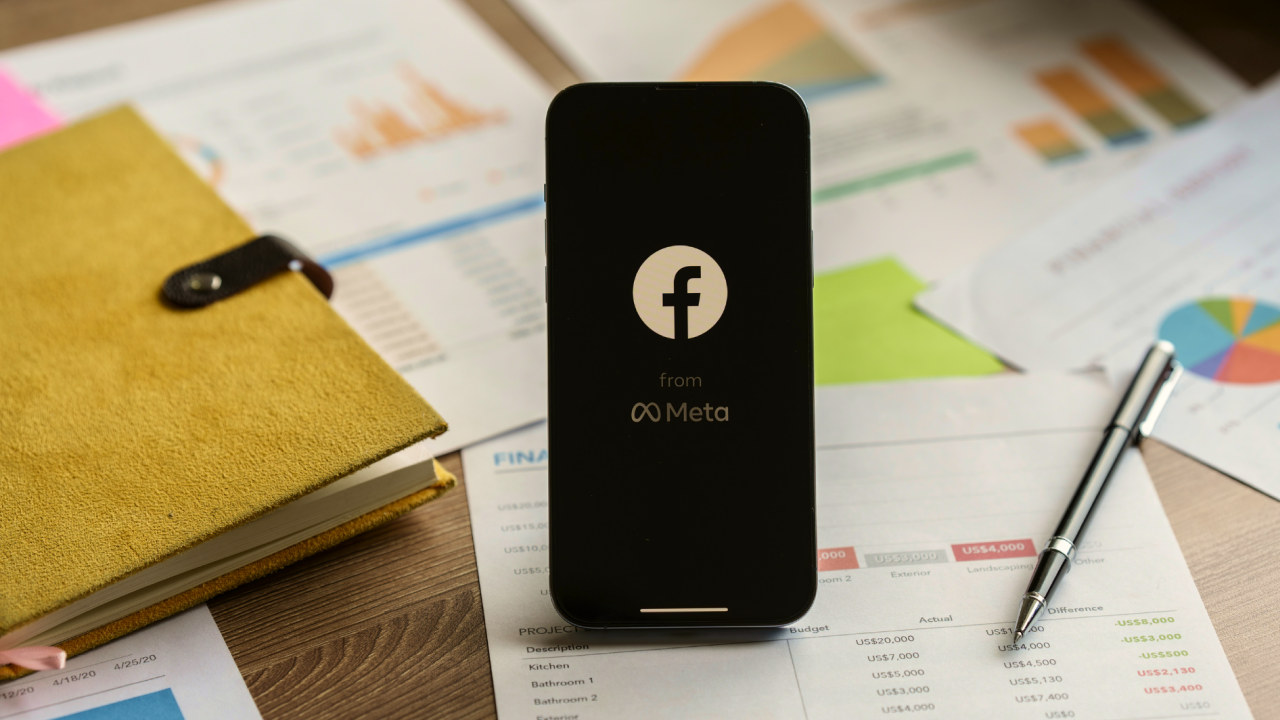
There are quite a few steps to take to set everything up.
Setting Up Your Facebook Presence:
- Create a Facebook Business Page: Start by crafting a well-organized Facebook business page. This page acts as your brand's face on Facebook and is where you’ll share content, interact with followers, and advertise affiliate products. Make sure your page is visually appealing and aligns with your brand identity to attract and retain followers.
- Audience Building: Grow your following organically by posting regularly and engaging genuinely with your target audience. Share valuable content that addresses your followers’ interests and needs. Use Facebook Insights to understand better what content performs best and tailor your strategy accordingly.
Disclosure: A Legal Requirement—Not Optional
Before you publish your first affiliate post, you need to disclose your relationship with the brands you promote.
The FTC requires that any material connection between you and a brand—including an earned commission—be clearly disclosed. In practice, this means adding a visible statement like "This post contains affiliate links. I may receive a commission if you click through and make a purchase."
The disclosure must appear close to the affiliate link itself, not buried in a caption or profile bio.
Beyond legal compliance, transparent disclosure consistently improves trust with audiences—and trust is the single most important driver of affiliate conversions.
A Note on Facebook's 2026 Link Policy
Meta is currently testing restrictions on external link posting for non-verified Pages and accounts, with some reports of limits as low as two link posts per month for users without a Meta Verified subscription.
In practice, the best workaround is to put your affiliate link in the comments of a post, rather than the post body itself. This works on Pages, profiles, Groups, and Events.
Stories with CTA links are also unaffected. This makes building an email list from your Facebook traffic more important than ever: it gives you a direct channel that's immune to platform policy changes.
Engagement Strategies:
- Join and Participate in Facebook Groups: Engage actively in relevant Facebook groups that fit your niche. Being an active community member establishes your credibility and can direct traffic to your page or affiliate links from affiliate partners. Focus on contributing value first; promotional intent should always be secondary.
- Content is King: Regularly post high-quality content on your Facebook page and personal profile that educates, entertains, or inspires your audience. In 2026, Reels are the highest-reach format on Facebook—the algorithm actively promotes short-form video to non-followers, giving affiliates organic discovery at a scale that feed posts just can't match.
Always include call-to-actions that encourage your audience to engage further—visiting a blog post, signing up for a webinar, or checking out a product review. This will get more free organic traffic to your affiliate landing page. - Create Your Own Facebook Group: Launch a group centered around your niche to foster a community, enhance engagement, and push affiliate products more subtly. Provide lots of value, show how you use affiliate products yourself, and offer free training content. Having both a Facebook Group and a Facebook Page significantly increases engagement and click-through rates.
Piggybacking
- Piggybacking on existing communities and pages is a powerful strategy to amplify your marketing efforts on Facebook. By identifying relevant Facebook groups or pages within your niche, you can contribute valuable content and insights, establishing yourself as a valuable contributor within the community.
- When piggybacking, focus on providing genuine value to the community rather than overtly promoting your affiliate products. Engage authentically with other members by commenting on posts, sharing insights, and offering valuable recommendations. Over time, you will be able to subtly introduce your affiliate link in contextually relevant moments.

Introduction to Paid Facebook Ads for Affiliate Marketing
While organic strategies lay the foundation, paid advertising on Facebook is the rocket fuel that propels your affiliate marketing efforts to new heights. Organic reach can be limited, especially in a competitive landscape, but with paid ads, you have the power to laser-target your audience and drive immediate results.
The Golden Rule of Facebook Ads for Affiliates: Never run a paid ad that links directly to an affiliate offer. Facebook's ad policies prohibit direct affiliate linking, and violating this rule is one of the fastest ways to get your ad account suspended. Instead, use paid ads to drive traffic to a landing page or blog post you own, which then contains your affiliate links. This bridge-page approach keeps you compliant and—because you're collecting leads before promoting—actually converts better.
Here's why leveraging Facebook advertising can significantly enhance your affiliate marketing campaigns in 2026:
- Wide Reach: Facebook's 3.07 billion monthly active users give you access to a large, diverse audience. More importantly, that audience spans nearly every major purchasing demographic, from Gen Z entering the workforce to Boomers managing retirement finances.
- Targeted Advertising: Facebook's advanced targeting options—demographics, interests, behaviors, lookalike audiences, and custom audiences from your own data—ensure your ads reach people genuinely likely to convert.
- Cost-Effectiveness: Facebook Ads can be budget-friendly, with options to set daily or lifetime budgets. Meta Advantage+, the platform's AI-driven campaign optimization tool, automates audience targeting and creative testing in real time, improving cost-per-conversion without manual micro-management.
- Tracking and Analytics: Facebook provides detailed insights on impressions, clicks, conversions, and return on ad spend—giving you the data to evaluate performance and adjust accordingly.
- Retargeting Opportunities: Facebook's retargeting tools let you serve ads to users who have previously engaged with your content or visited your website, reinforcing your message and increasing conversion likelihood.
- Flexible Ad Formats: Image ads, video ads, carousels, and Reels-style ads all serve different funnel stages. Video and Reels formats currently receive preferential treatment from the algorithm, making them the highest-ROI format for affiliate campaigns in 2026.
By incorporating paid Facebook Ads into your affiliate marketing strategy, you can amplify your reach, drive targeted traffic to your affiliate offers, and maximize your revenue potential.
How to Set Up Your Facebook Ads

Now here's a quick step-by-step guide for how to get started with Facebook ads:
- To kickstart your paid Facebook affiliate marketing efforts, you'll need to set up a Facebook Business Page. This serves as the hub for your brand's presence on Facebook and where you'll manage your advertising campaigns. Initially, focus on creating compelling ads that align with the offers you're promoting.
- Next, create a Facebook Ads account. This account provides access to Facebook Ads Manager, the platform's comprehensive tool for creating, managing, and analyzing your ad campaigns. Setting up your Facebook Business Page and Ads account is crucial, as it provides the foundation for launching and optimizing your paid advertising efforts.
For exact steps on how to do both of these things, you can look it up in Facebook's Business Help Center.
The Importance of Paid Advertising on Facebook for Affiliate Marketing
While organic traffic and engagement are valuable, paid advertising on Facebook offers unparalleled opportunities for reaching a targeted audience and driving conversions. Organic reach can only take you so far, and relying solely on organic efforts may limit your reach and growth potential—especially as the algorithm continues to prioritize paid content for external link traffic.
Paid advertising allows you to target specific demographics, interests, and behaviors with precision, ensuring that your ads are seen by the right people at the right time. Whether you're looking to promote affiliate offers directly, drive traffic to your website, or boost the engagement of your best-performing posts, paid advertising can help you achieve your goals more efficiently than organic efforts alone.
Exploring Paid Advertising Options on Facebook
Facebook offers a variety of paid advertising options to suit your affiliate marketing objectives:
- Boosted Posts: Boosting your Facebook posts is a simple yet effective way to increase their reach and engagement. With just a few clicks, you can amplify the visibility of your posts and put them in front of a larger audience. This is particularly useful for driving traffic to high-performing blog posts or product reviews that contain affiliate links.
- Facebook Ads Manager: For more advanced campaigns, Ads Manager gives you full control over targeting, budget, creative testing, and performance tracking. It's the right tool when you're ready to scale.
- Ad Formats: Facebook supports image ads, video ads, carousels, and Reels-style video ads. In 2026, video and Reels formats generate the highest reach and engagement, with nearly half of Facebook users citing short-form video as their most-interacted format. Experiment with formats to find what performs best in your niche.
Mastering Paid Facebook Ads for Affiliate Marketing
Creating an effective ad campaign requires a combination of compelling copy and captivating visuals.
Here's how to craft ads that convert:
- Value Proposition: Clearly communicate the value of the affiliate products or services you're promoting. What problem do they solve, and how will they benefit the customer?
- Call-to-Action (CTA): Include a strong CTA that directs users to your landing page or blog post. Never direct paid traffic straight to an affiliate link—always route through a page you own.
- Targeting: Utilize Facebook's advanced targeting options to reach the most relevant audience. Lookalike audiences built from your existing customer or email list are among the highest-performing targeting strategies available. Meta Advantage+ can further automate this process, using AI to continuously optimize audience selection and creative delivery in real time.
- Ad Creative: Test multiple ad variations—different hooks, visuals, and CTAs. Reels-format video ads currently benefit from algorithmic preference and should be part of any affiliate's paid testing rotation.
Monitoring and Optimizing Your Campaigns

Once your ads are live, the work isn't over. Monitoring and optimization are key to maximizing your ROI. Here's how to do it:
- Track Key Metrics: Keep a close eye on reach, engagement, clicks, cost-per-click (CPC), and conversions. Ads Manager provides detailed data on how each ad variation is performing.
- Optimize for Success: Use the data gathered to make targeted adjustments—refine your audience, refresh your creative, and reallocate budget toward what's working.
- A/B Testing: Test one variable at a time—headline, image, CTA, or audience—to isolate what's driving performance improvements. Systematic testing compounds over time into a significantly more efficient campaign.
By incorporating these strategies into your Facebook affiliate marketing plan, you can effectively utilize paid ads to expand your reach, engage with potential customers, and drive conversions. Continuous learning and adaptation to the platform's evolving features—especially Meta's AI-driven tools—will keep your strategy competitive as the landscape changes.
Conclusion
Leveraging Facebook affiliate marketing in 2026 can provide substantial benefits when done correctly. With 3.07 billion monthly active users, a platform-wide shift toward Reels and engagement-first content, and AI-powered ad tools that do more of the optimization work for you, the opportunity for affiliates has never been more structural.
The core principle hasn't changed: combine authentic engagement with strategic promotion. Build trust with your audience through consistent, valuable content. Use organic Reels, Groups, and your Page to grow your community. Then amplify what's working with paid ads—always routing through a landing page you own, always disclosing your affiliate relationships clearly.
Affiliates who treat Facebook as a relationship channel first and an ad platform second are the ones who build a sustainable income. And in 2026, with Meta's algorithm actively rewarding genuine engagement over passive link-sharing, that approach has never been more aligned with how the platform actually works.
Now is the time to harness the power of paid Facebook ads and organic promotion—and take your affiliate marketing to the next level.

Want to become a Digistore24 affiliate? Simply go here to register for free.

Author
Robert Demeter
Content Marketing Manager
Robert is a content specialist with over 6 years of experience in content writing and was published in major U.S. outlets, including The New York Times, Business Insider, and more. He has a sharp eye for detail, extensive digital marketing knowledge and a proactive approach to any topic, morphing his writing style to fit various marketing outlets, including blogs, social media, ads, email and more.
3 Min. Read
Mar 30, 2023

4 Min. Read
Jan 19, 2023

Earn with Digistore24
- © 2022 Digistore24 Inc.
- Privacy Policy
- Terms and Conditions
- EN
- DE


